
Walking is one of the easiest and most effective ways to manage diabetes. Just 10-15 minutes after meals can help lower blood sugar levels and improve your overall health naturally.
Get More Information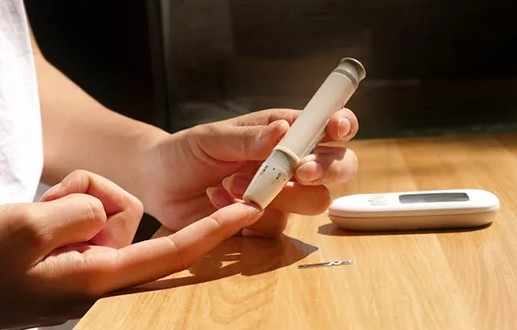
Physical activity, especially walking, plays a key role in managing diabetes naturally. When you walk, your muscles use glucose for energy without needing extra insulin. This helps bring down blood sugar levels in a safe and steady way.
Regular walks also make your body more responsive to insulin, which means better control over your condition. You don't need expensive equipment or a gym membership - just comfortable shoes and the willingness to move.
Studies show that short walks after eating are particularly effective at preventing blood sugar spikes. This simple habit can make a real difference in how you feel every day.
The best time to walk is within 30 minutes after eating. This helps your body use the glucose from your meal more effectively. Three short walks after breakfast, lunch, and dinner can work better than one long walk because they prevent blood sugar from rising too high after meals.
Walking brings multiple advantages that help you manage diabetes and feel better overall.
Walking helps muscles absorb glucose from your blood, reducing sugar levels without medication. Even a short 10-minute walk can start this process.
Regular movement trains your cells to respond better to insulin, making your diabetes easier to control over time.
Walking strengthens your heart, lowers blood pressure, and reduces harmful cholesterol - all important for people with diabetes.
Daily walks help burn calories and maintain a healthy weight, which directly impacts blood sugar control.
Physical activity releases natural mood-boosting chemicals, helping reduce stress and improve sleep quality.
Starting a walking routine is simple, but it's important to do it safely. Begin with comfortable distances that don't tire you out. If you can only walk for 5 minutes at first, that's perfectly fine. You can gradually increase the time as you get stronger.
Wear supportive shoes with good cushioning to protect your feet. People with diabetes need to be extra careful about foot health, so check your feet daily and keep them clean and dry.
It's helpful to track your blood sugar before and after walks to see how your body responds. This information can guide you in planning the best walking schedule for your needs.
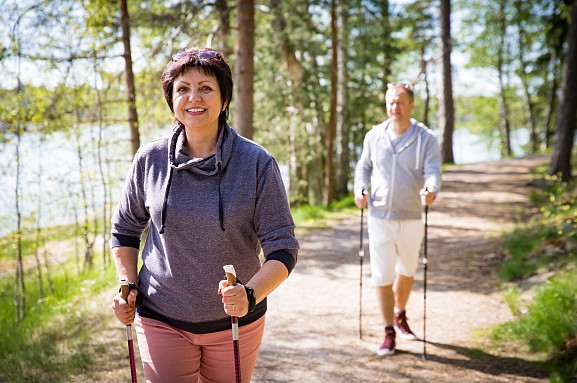
Consistency matters more than intensity when it comes to managing diabetes through walking. Try to walk at the same times each day to build a routine. Morning walks can help set a positive tone for the day, while evening walks can aid digestion and relaxation.
Walking with a friend or family member makes the activity more enjoyable and helps you stay committed. You can also explore different routes in your neighborhood to keep things interesting. Remember, any movement is better than none - even walking around your home counts.
"I started walking 15 minutes after each meal, and within two weeks my blood sugar readings improved noticeably. It's such a simple change but makes a real difference."
— Rajesh Kumar, Mumbai
"My doctor recommended daily walks, and I was skeptical at first. But now I feel more energetic, sleep better, and my diabetes is much easier to manage."
— Priya Sharma, Delhi
"Walking with my family after dinner has become our favorite time together. It's great for my health and helps us bond."
— Anil Patel, Bangalore
"I used to think I needed intense exercise, but regular walking works better for me. My sugar levels are stable and I don't feel exhausted."
— Meera Reddy, Hyderabad
Have questions about walking and diabetes management? Contact us for more information.
hello (at) bajeyiw.shop
+91 98 4726 3189
23, Connaught Place, New Delhi 110001, Delhi, India
Aim for at least 30 minutes total per day. You can break this into three 10-minute walks after meals, which is often more effective than one longer walk.
Walking within 30 minutes after eating is most beneficial for blood sugar control. This helps prevent post-meal glucose spikes.
Walking is an excellent tool for managing diabetes, but never stop taking medication without consulting your doctor. Physical activity should complement your treatment plan, not replace it.
Start with whatever you can manage - even 5 minutes helps. Gradually increase the duration as your fitness improves. Short walks are still beneficial.
Yes, supportive shoes with good cushioning are important to protect your feet. People with diabetes should be extra careful about foot care and avoid blisters or injuries.